- call us now! 01548 856096

Using Equity Release To Fund Long-term Care
May 20, 2026
Long-term care is one of the most significant financial challenges many people face in later life. Whether you need residential care, nursing support, or help at home, the costs can be substantial. In 2025, the average weekly cost of residential or nursing care in England rose to £1,185.55. Over a full year, that figure exceeds £61,000.
For homeowners who are asset-rich but cash-poor, equity release can be one way to bridge that gap. Before exploring whether it could work for you, it helps to understand how these products function and what the risks are.
How equity release works
If you own your home and are aged 55 or over, equity release is a way to access the money tied up in its value without selling up or moving out. The most widely used product is a lifetime mortgage, where you take a loan secured against your home. Nothing is repaid until the property is sold, which typically happens after you pass away or move permanently into care.
You can take the money as a lump sum or use a drawdown arrangement to release smaller amounts over time. Drawdown suits many people funding care costs, as you only release what you need and pay interest only on what you have taken.
Your estate will never owe more than the property sells for, due to Financial Conduct Authority (FCA) regulations.
What to consider before going ahead
Equity release comes with some downsides, and it is worth understanding them before making any decisions:
- Interest builds up over time, and because it compounds, the total owed can grow quickly. The longer the plan runs, the less may be left for your family when the property is sold.
- Equity Release & Lifetime Mortgages will reduce the value of your estate and can affect your eligibility for means-tested benefits such as pension credit or council tax support.
- Equity release is generally only available to those still living in their home, so it needs to be arranged before a permanent move into care becomes necessary. There are upfront costs to factor in, including legal fees, a property valuation, and arrangement fees, which can run to several thousand pounds in total.
Before committing, it is worth considering other options, such as downsizing to release cash, drawing on savings, or exploring what funding your local council may be able to provide.
Getting the right advice
Equity release is a big decision, and whether it is the right one depends on your property, your health, your care needs, and what you hope to leave behind. If you want to get to grips with the basics first, our introduction to equity release is a good place to start.
Clearwater Financial Planning has been working with people across Devon and Cornwall since 2006. The team, based across Plymouth, Launceston, and Kingsbridge, can help you weigh up whether equity release suits your situation or whether a different approach would serve you better. Get in touch to arrange a conversation.

where we are
01548 856096
56 Fore Street
Kingsbridge
Devon TQ7 1NY
info@clearwaterfinancialplanning.co.uk where we are
01548 856096
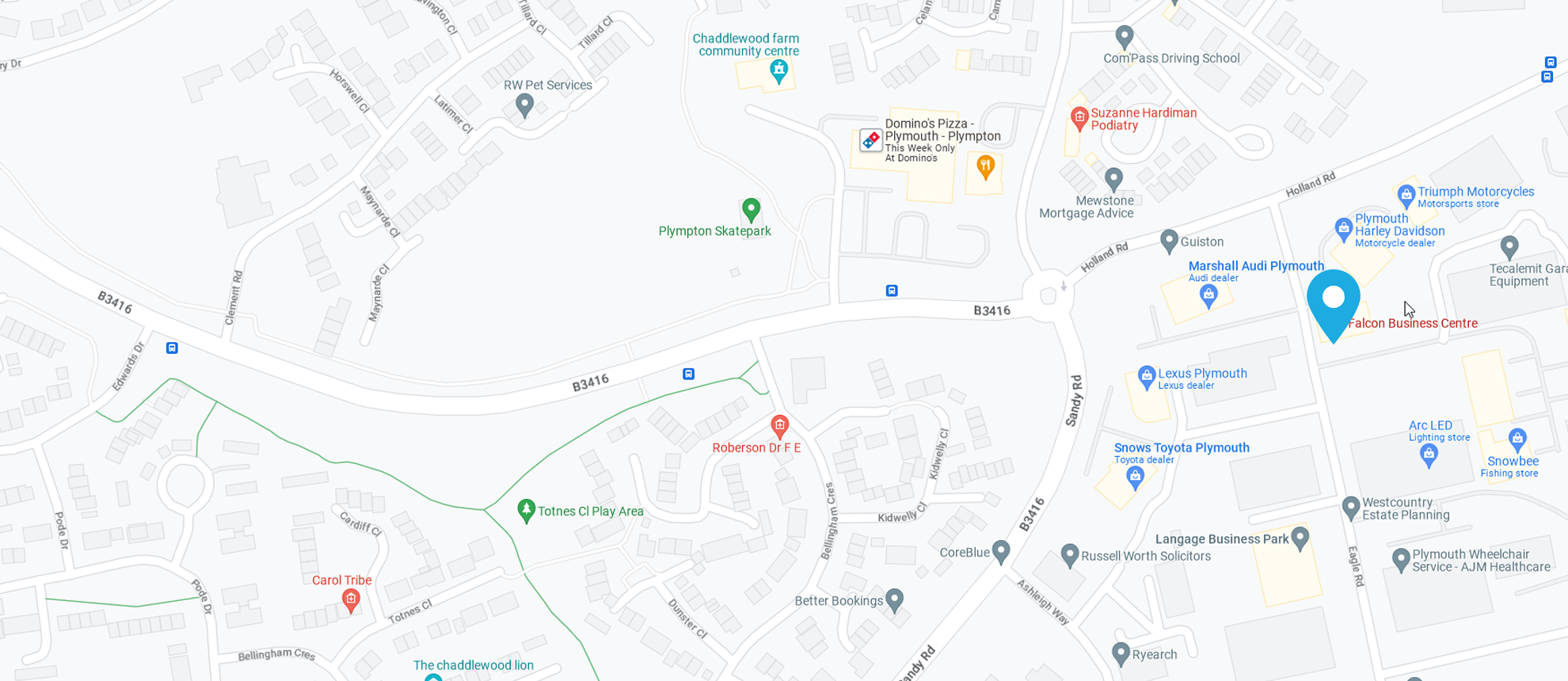
Falcon Business Centre
Eagle Road, Langage
Plympton PL7 5JY
info@clearwaterfinancialplanning.co.uk where we are
01548 856096
The Orchard Centre
Blind Hole, Market Street
Launceston PL15 8AU
info@clearwaterfinancialplanning.co.uk Locations