- call us now! 01548 856096

Retirement Planning for Couples: Aligning Your Goals
Jun 23, 2026
Planning for retirement is rarely straightforward, and when two people are involved, the picture becomes even more complex. Without a shared plan that brings both partners' goals together, couples can find themselves making retirement decisions based on incomplete information.
Why couples often plan separately
It is common for couples to save for retirement largely independently due to different employers, separate pension pots, and different contribution rates. Over time, that can leave partners with very different ideas about what retirement will actually look like.
The problem is when those individual plans are never brought together. According to the Pensions and Lifetime Savings Association, a couple needs a combined income of around £45400 a year for a moderate standard of living in retirement. Reaching this figure typically requires both partners to have actively built their pensions throughout their working lives.
The State Pension gap
Gaps in a National Insurance record, whether from time spent raising children, caring for a relative, or periods of self-employment with lower earnings, can leave one partner receiving a lower State Pension than the other when retirement comes.
It is worth checking your State Pension forecasts to identify whether any gaps in National Insurance contributions could be filled voluntarily. Where that is not enough to close the gap, the other partner's pension savings may need to compensate, and the sooner that is factored into the plan, the more options you have.
Timing, tax, and drawing down together
Deciding when each of you retires, and in what order, has real tax implications. A few questions worth working through together:
- Are you both using your personal allowances efficiently, or could drawing income at the same time push either of you into a higher tax band?
- Would phased retirement, where one partner winds down gradually while the other continues working, give you more flexibility over your household income?
- If your retirement dates are staggered, how does the household budget work in the gap between them?
Later-life planning as a couple
Retirement planning also means thinking about what happens financially if one partner dies first. Most pensions require a nomination to be in place for anything to pass to a surviving partner, and that nomination needs to be kept up to date. If either of you has a final salary pension, check whether it includes a reduced income for a surviving spouse, as the rules vary. It is also worth making sure savings and property are held in both names, since assets in one person's name only can take time to access after a death.
Since 2006, Clearwater Financial Planning has been helping couples across Devon and Cornwall work through exactly these questions. Our advisers work from offices in Plymouth, Launceston, and Kingsbridge and take the time to understand both partners' goals before putting together any plan.
Retirement is a shared chapter. Get in touch with the team at Clearwater today and let us help you build a plan that works for both of you.
Estate planning, and Tax Planning, including Inheritance Tax Planning are not regulated by the Financial Conduct Authority.
Approver Quilter Financial Services Limited. July 2026

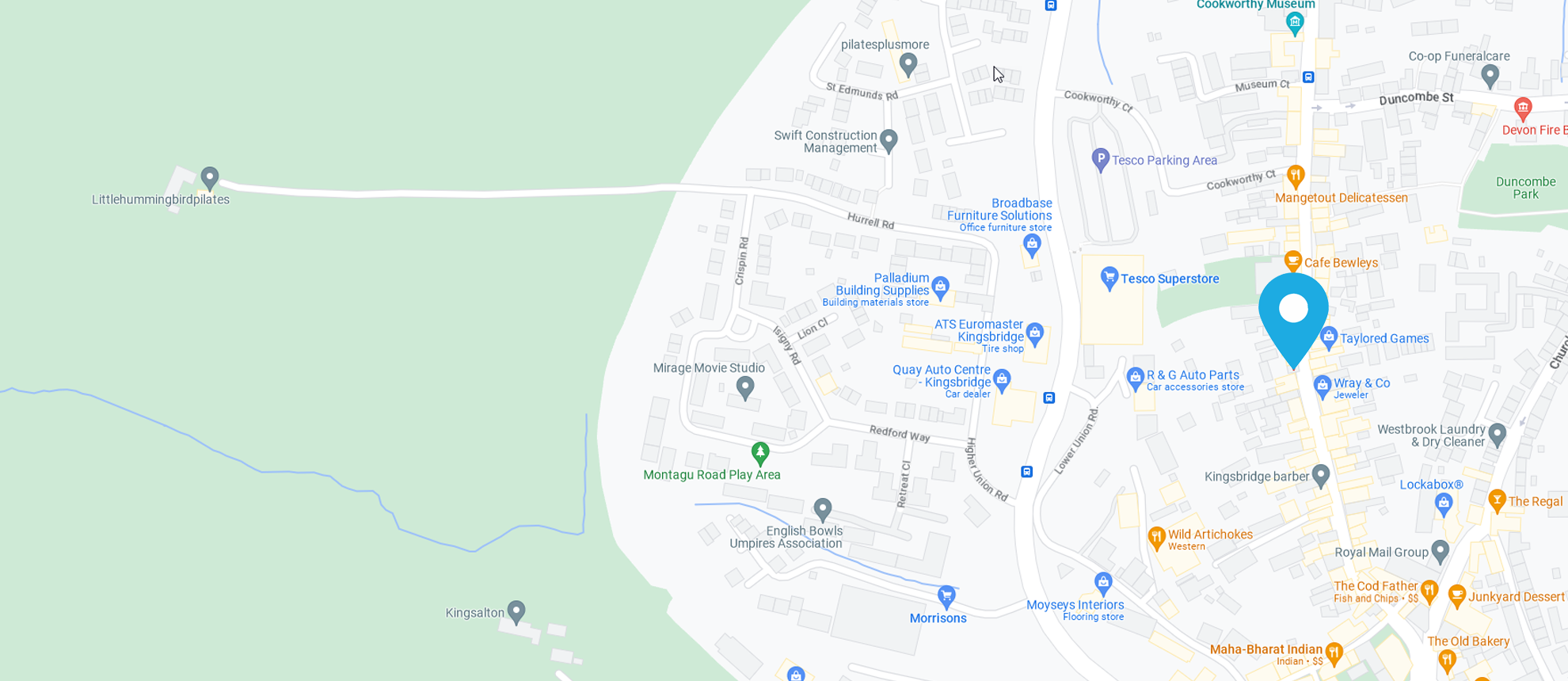
where we are
01548 856096
56 Fore Street
Kingsbridge
Devon TQ7 1NY
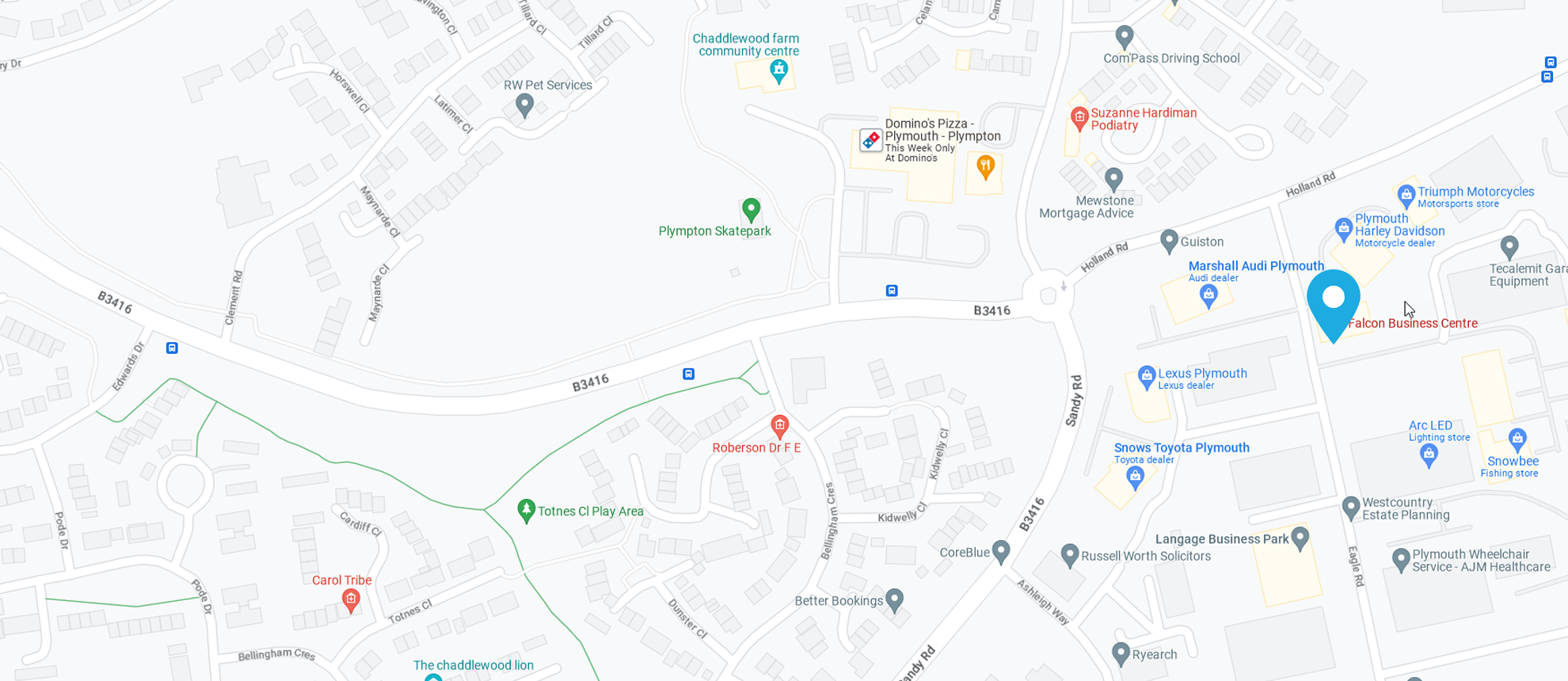
info@clearwaterfinancialplanning.co.uk where we are
01548 856096
Falcon Business Centre
Eagle Road, Langage
Plympton PL7 5JY
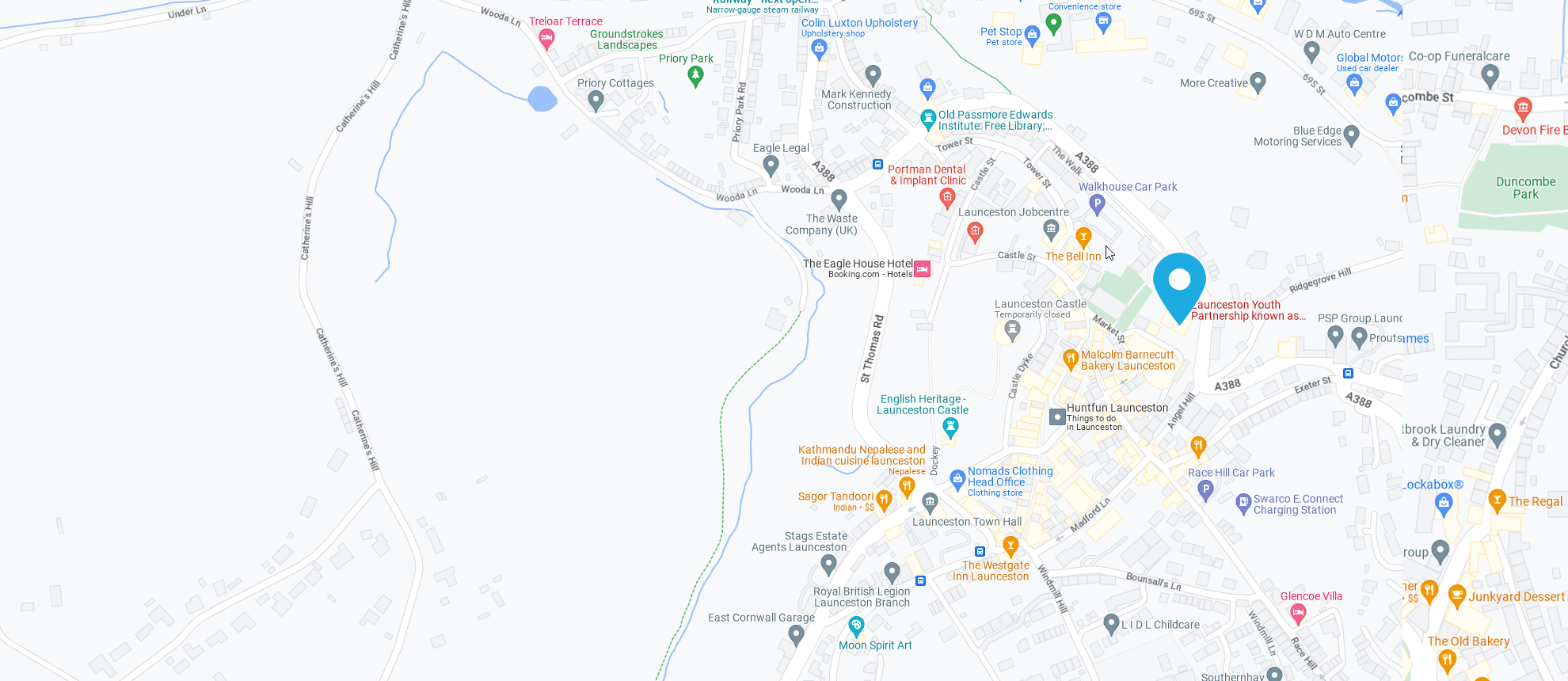
info@clearwaterfinancialplanning.co.uk where we are
01548 856096
The Orchard Centre
Blind Hole, Market Street
Launceston PL15 8AU
info@clearwaterfinancialplanning.co.uk Locations