- call us now! 01548 856096

How an Offset Mortgage Could Cut Your Interest Costs
Apr 21, 2026
If you want to pay less interest on your mortgage and have a solid savings balance, an offset mortgage is worth considering. It won't suit everyone, but for the right borrower, it can significantly reduce the interest paid over the life of the loan.
So, how does it work?
Rather than keeping your mortgage and savings in separate accounts, an offset mortgage links them. Your lender calculates interest daily on the difference between your outstanding mortgage balance and the total held in your linked savings account.
Here's a simple example:
- Mortgage balance: £200,000
- Linked savings: £30,000
- Interest charged on: £170,000
Your savings stay fully accessible throughout. You're not overpaying or paying down the capital early; you're simply reducing the amount on which interest is calculated. Use those savings to lower your monthly payments, or keep repayments the same and clear your mortgage sooner.
The tax angle
This is where offset mortgages often appeal to higher-rate taxpayers. Savings held in a standard account generate interest that's taxable at 40%. By offsetting, you avoid that liability entirely, making the arrangement more tax-efficient than a straightforward interest-rate comparison suggests.
What are the drawbacks?
Offset mortgage rates tend to be slightly higher than standard repayment deals, so it only makes financial sense if your savings balance is large enough to offset the difference. As a rough guide, if your linked balance is below £25,000 or if you have a high-interest savings account, it may well work out better for you overall.
It's also worth knowing that offset mortgages have become a specialist product in recent years, meaning fewer lenders offer them, and the range of available deals is narrower than for standard products. That makes it all the more important to take proper advice before committing.
Is it right for you?
An offset mortgage typically works best for people who:
- Hold significant, stable savings they're unlikely to need to spend quickly
- Are higher or additional-rate taxpayers
- Want flexibility without losing access to their money
- Are self-employed with irregular income flowing through a current or savings account
Whether offsetting genuinely saves you money depends entirely on your individual circumstances: your savings level, your mortgage rate, your tax position, and how long you plan to stay in the property. These variables interact in ways that make a personalised calculation far more useful than a generic comparison.
Getting the right guidance
If you're in Devon or Cornwall and thinking about your next mortgage move, it helps to work with advisers who understand both the local property market and the broader lending landscape.
The advisers at Clearwater Financial Planning, who have been helping clients across Plymouth, Launceston, Kingsbridge, and the wider South West since 2006, can model the numbers for your situation and help you decide whether an offset mortgage is right for you

where we are
01548 856096
56 Fore Street
Kingsbridge
Devon TQ7 1NY
info@clearwaterfinancialplanning.co.uk where we are
01548 856096
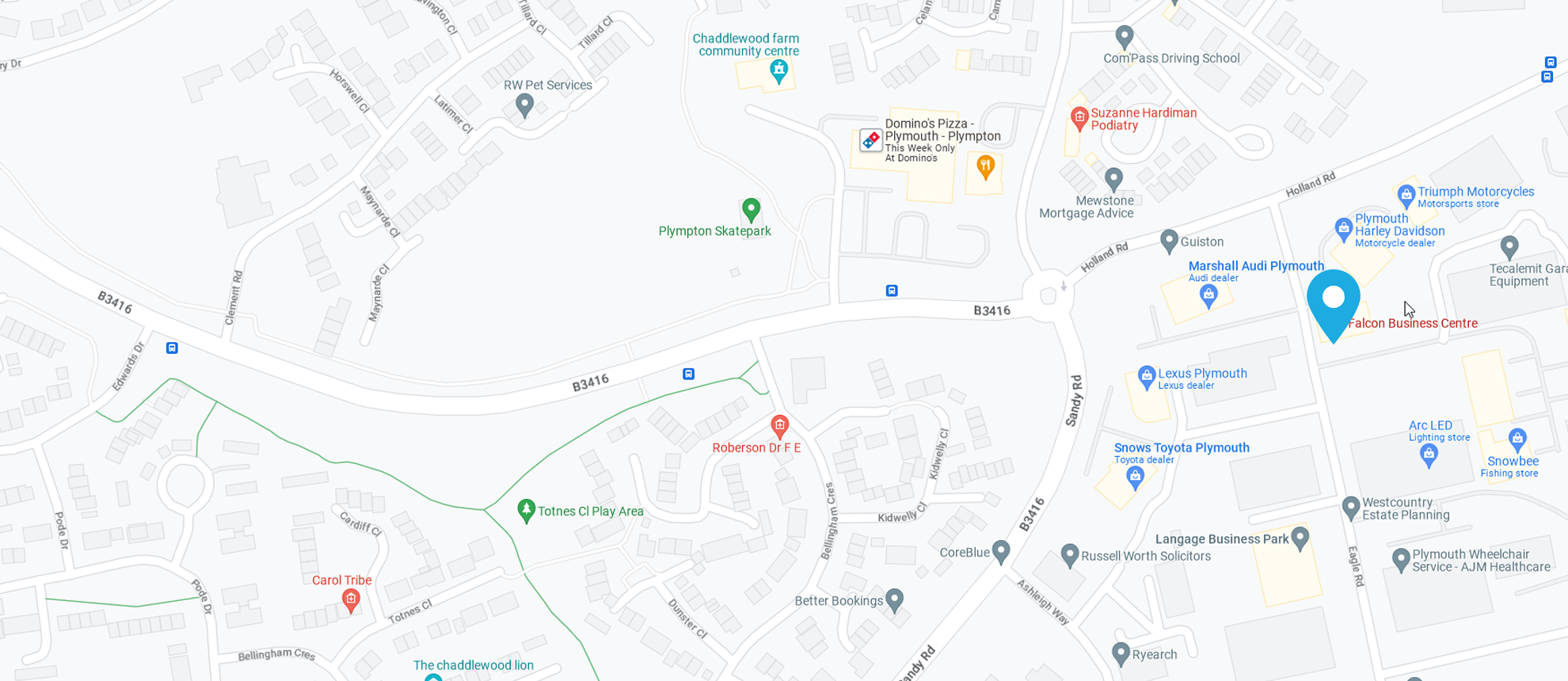
Falcon Business Centre
Eagle Road, Langage
Plympton PL7 5JY
info@clearwaterfinancialplanning.co.uk where we are
01548 856096
The Orchard Centre
Blind Hole, Market Street
Launceston PL15 8AU
info@clearwaterfinancialplanning.co.uk Locations