- call us now! 01548 856096

How Much You Should Have Invested at Every Stage of Life
Jul 22, 2026
Most people know they should be saving and investing more, but far fewer have any idea what "more" actually means. Without a clear target, it is easy to reassure yourself that there will be a better time to start. When it comes to building long-term wealth, time is the one resource you simply cannot recover.
At Clearwater Financial Planning, we have been helping people across Devon and Cornwall make sense of their finances since 2006. One of the most common questions we hear is: "Am I on track? The honest answer depends on your circumstances, but benchmarks can help frame the picture.
Your 20s and 30s: Laying the groundwork
Rent, student loans, and everyday costs mean investing often takes a back seat in your twenties. That is understandable but starting early matters more than starting big. By 30, industry benchmarks typically suggest having the equivalent of one times your annual salary saved across pensions and investments. The priority in these decades is building the habit and collecting employer pension contributions as a minimum.
Your 40s: The accumulation years
For many, the forties represent peak earning years. Commonly cited targets point to around three times your salary by 40, rising to six times by 50. A Stocks and Shares ISA, workplace pension, or SIPP can all play a role. What matters is reviewing not just how much you have, but whether your money is invested in line with your goals and timeline.
Your 50s: Closing the gap
The decade before retirement is when planning becomes most precise. Retirement planning conversations in your fifties often involve calculating the income you will need, what you are likely to have, and any shortfall in between.
The Pensions and Lifetime Savings Association estimates that a moderate standard of living in retirement costs a single person around £32,700 a year, with a comfortable lifestyle closer to £45,400. These are annual expenditure figures, not income targets, so the pot required to sustain either level across a 20 or 30-year retirement is substantial.
Your 60s and Beyond: Drawing down wisely
ONS data shows median household wealth peaks at around £502,500 for households headed by someone aged 65 to 74. How you draw from that wealth matters as much as how you built it. The choice between annuity and drawdown, State Pension timing, and tax-efficient withdrawal strategies all shape how long your money lasts and what it can do for the people you care about.
Investment planning at this stage is about structuring income around your life, not just growing a number on a statement.
Our team works with clients in Plymouth, Kingsbridge, and Launceston, and across Cornwall and Devon, to build plans that fit real lives. Get in touch with us today and let us help you find out where you stand.

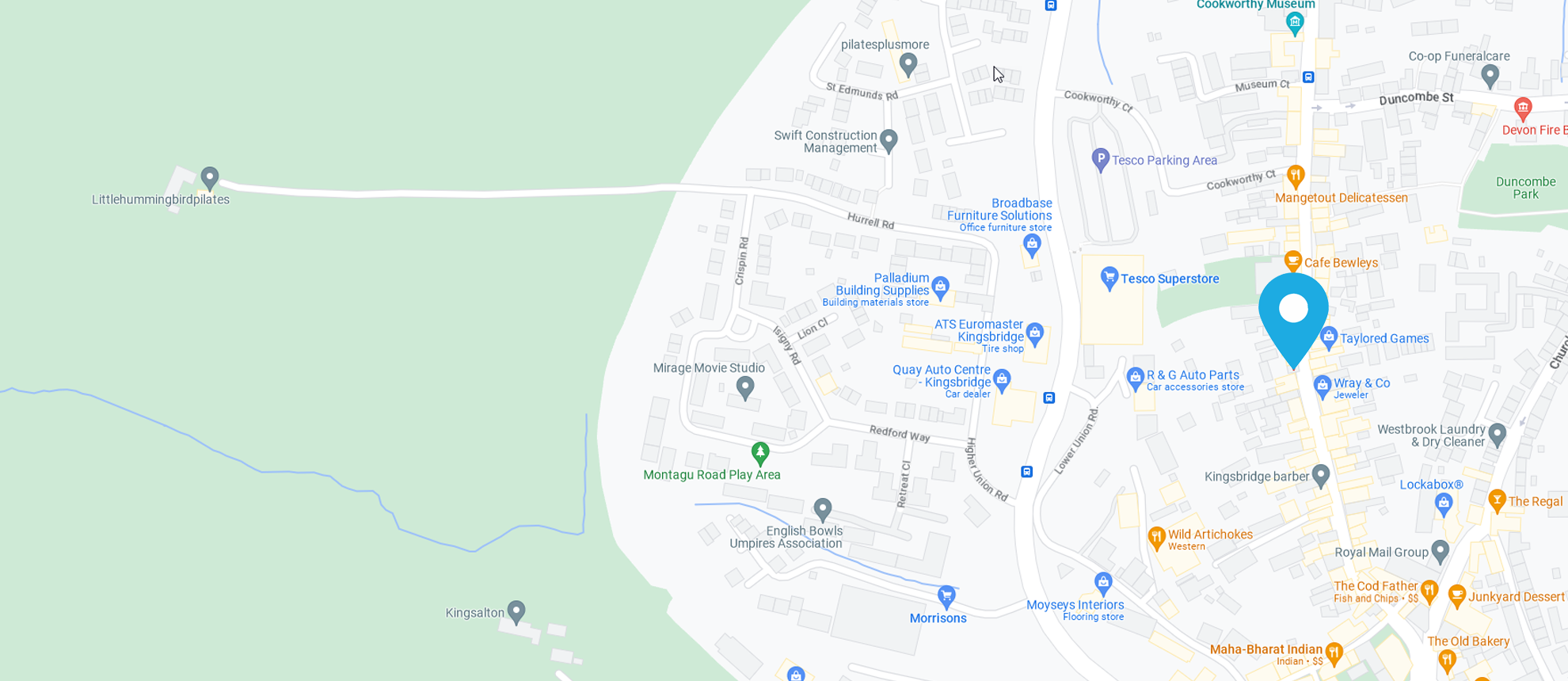
where we are
01548 856096
56 Fore Street
Kingsbridge
Devon TQ7 1NY
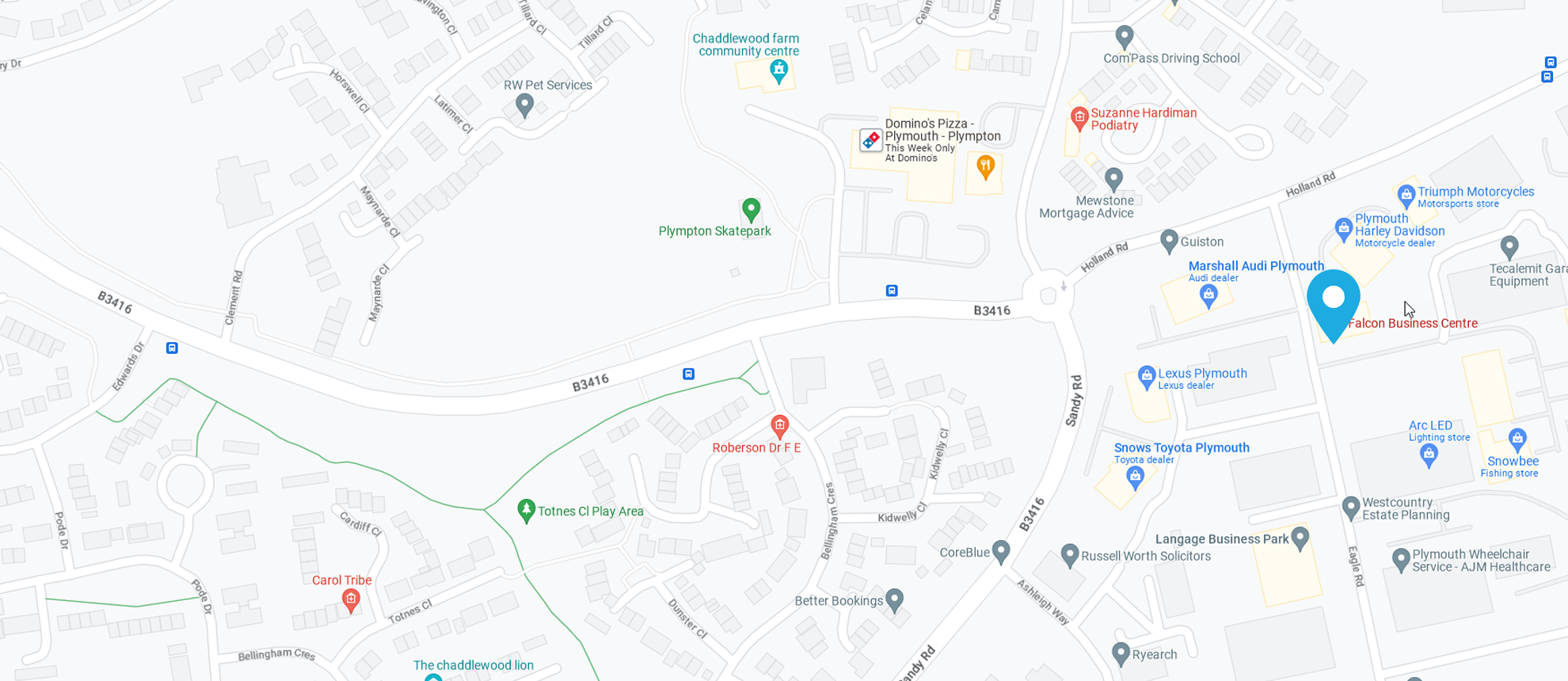
info@clearwaterfinancialplanning.co.uk where we are
01548 856096
Falcon Business Centre
Eagle Road, Langage
Plympton PL7 5JY
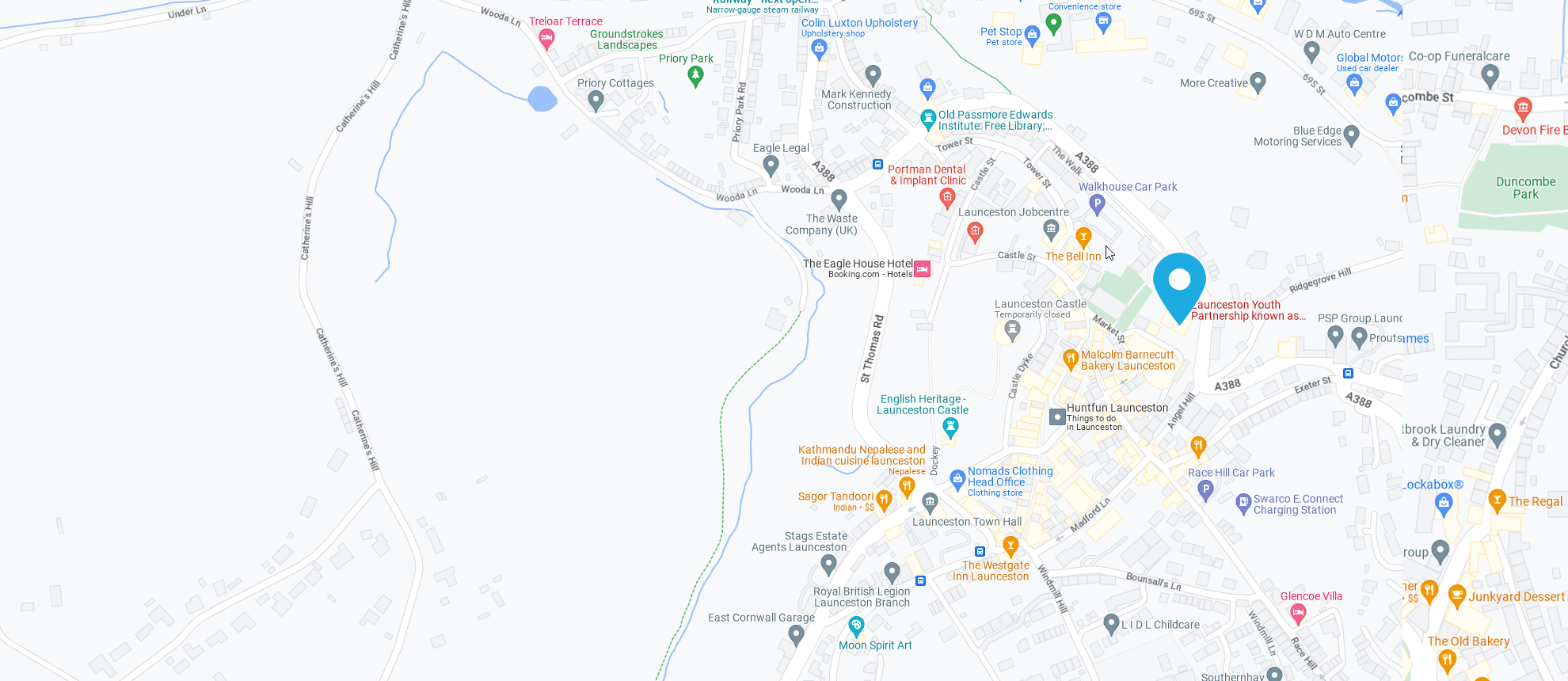
info@clearwaterfinancialplanning.co.uk where we are
01548 856096
The Orchard Centre
Blind Hole, Market Street
Launceston PL15 8AU
info@clearwaterfinancialplanning.co.uk Locations