- call us now! 01548 856096

Make the Most of The Tax Year-End
Feb 09, 2026
The UK tax year runs from 6th April to 5th April, and as the deadline approaches, there are several ways you can reduce your tax bill if you act before the year ends. Here are some practical steps to help you keep more of your money.
Use your full ISA allowance
You have until 5th April to use your £20,000 ISA allowance for the 2025/26 tax year. Any unused allowance disappears when the new tax year begins, so if you can afford to top up your ISA before the deadline, it’s well worth it. The money you put into a stocks and shares ISA or cash ISA grows tax-free, which means you won't pay income tax on interest or capital gains tax on any profits.
If you have a partner, they also have their own £20,000 allowance, so between you, a couple could potentially shelter £40,000 from tax each year.
Use your capital gains tax allowance
The capital gains tax annual exempt amount is currently £3,000 for the 2025/26 tax year. That means that if you hold investments outside an ISA that have grown in value, you can make up to £3,000 in profit tax-free each year. Selling before 5th April means you use this year's allowance rather than losing it.
Consider pension contributions
Paying into your pension not only helps secure your retirement but can also reduce your income tax bill. The government adds tax relief to your pension contributions at your income tax rate. Basic rate taxpayers receive 20% tax relief automatically, while higher and additional rate taxpayers can claim back the extra relief through their Self Assessment tax return.
You can normally contribute up to £60,000 per year and receive tax relief, though this limit is reduced for very high earners. If you haven't used your full allowance this year, topping up before 5th April could cut your tax bill.
Use both partners' allowances
If you're married or in a civil partnership, you can often reduce your household tax bill by making sure you're both using your personal allowances effectively. This might mean transferring savings or investments to the lower-earning partner so interest and dividends fall within their unused allowances rather than pushing the higher earner into paying tax.
You could also consider the marriage allowance, which lets a non-taxpayer transfer £1,260 of their personal allowance to a basic rate taxpayer partner, saving up to £252 in tax.
Plan ahead with professional support
Our experienced advisers at Clearwater Financial Planning can help you plan ahead to make the most of available tax reliefs each year while working towards your financial goals. Get in touch to discuss your options.

where we are
01548 856096
56 Fore Street
Kingsbridge
Devon TQ7 1NY
info@clearwaterfinancialplanning.co.uk where we are
01548 856096
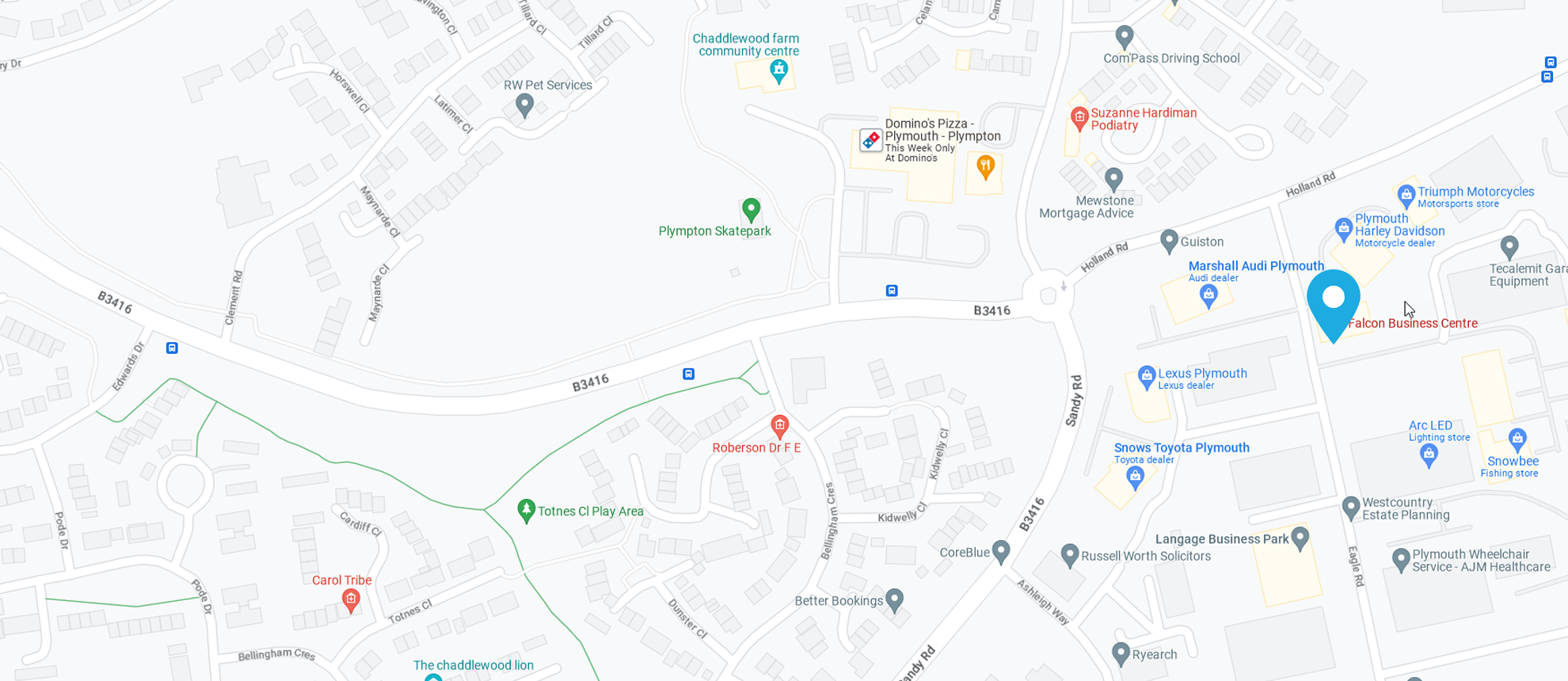
Falcon Business Centre
Eagle Road, Langage
Plympton PL7 5JY
info@clearwaterfinancialplanning.co.uk where we are
01548 856096
The Orchard Centre
Blind Hole, Market Street
Launceston PL15 8AU
info@clearwaterfinancialplanning.co.uk Locations